
Applying for a rental can feel simple until the screening process begins. That is usually the moment many renters realize how much information a landlord may review before making a decision. Tenant screening reports are often part of that process, yet a lot of people do not know what is actually inside them or how that information may be interpreted.
From a landlord’s perspective, tenant screening reports are meant to reduce risk. They help answer practical questions before keys are handed over. Will this applicant pay on time? Do they have a record of lease problems, unpaid housing debt, or eviction filings? For renters, the uncertainty around the process can make the application feel more stressful than expected.
What These Reports Usually Include
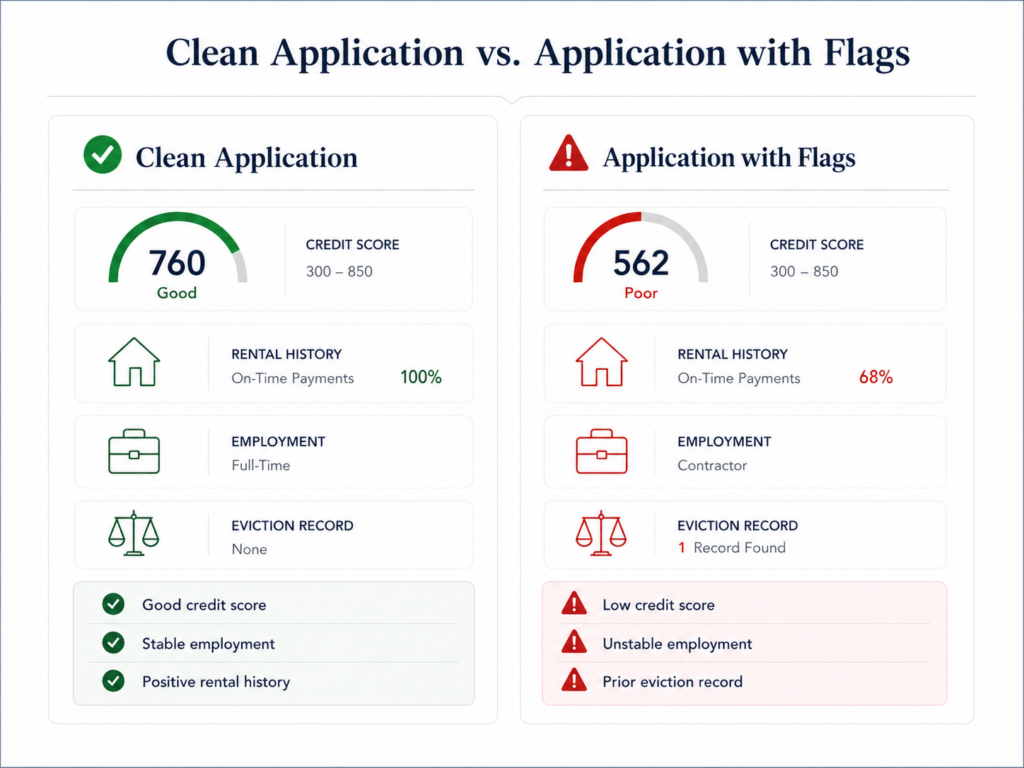
Most tenant screening reports pull information from several sources. The exact mix depends on the screening company, the property, and local law, but common sections include identity verification, credit-related information, rental history, eviction records, and sometimes criminal background information where allowed. Some services also add employment or income verification.
The credit portion is one area applicants worry about most. Landlords may not review a file the same way a mortgage lender would, but they still pay attention to patterns. Repeated delinquencies, collections, and unpaid housing-related balances can raise concerns. Tenant screening reports are often used to look for a bigger story, not just one isolated problem.
What Landlords Are Really Looking For
Most landlords are not searching for perfection. They are trying to figure out whether the applicant looks reliable and whether rent is likely to be paid on time. That is why tenant screening reports often matter more for consistency than for one single number. A renter with average credit and strong rental history may look safer than someone with a better score but a record of housing-related problems.
Rental history can carry a lot of weight. If tenant screening reports show unpaid rent, broken leases, or formal eviction filings, a landlord may view those items as especially important because they relate directly to tenancy. Larger property managers may rely heavily on fixed approval standards, while smaller landlords may be more open to context and explanation.
Why Errors Matter So Much
Mistakes are one reason the process can become frustrating fast. Mixed files, outdated balances, incorrect addresses, duplicate entries, or records tied to someone with a similar name can all appear in tenant screening reports. A landlord reviewing many applications quickly may not pause long enough to question whether every detail is accurate.
That means even a relatively small error can delay or derail an otherwise solid application. If tenant screening reports include inaccurate information, dispute it with the screening company and keep copies of every document you send. Save payment confirmations, lease records, emails, and letters that help prove your side.
⚠️ Watch out
Trying to hide an address or old issue can backfire quickly if the report brings it up anyway. Clear context usually lands better than an omission.
How Renters Can Prepare
The best protection is preparation. Before applying, review your own credit reports, think through anything that may raise a question, and be ready to explain older issues honestly. Tenant screening reports are not always wrong, but they are not always complete either. A strong application backed by organized records gives you a better chance to respond if questions come up.
It also helps to remember what landlords are really trying to measure. Tenant screening reports are simply tools used to estimate risk. They can be useful, but they do not automatically tell the full story behind a person’s circumstances. The stronger and more organized your application is, the easier it is to keep the report from defining the whole conversation.
The Bottom Line
In the end, tenant screening reports are less mysterious once you understand their purpose. They are snapshots meant to help landlords make quicker decisions. For renters, knowing what may appear, checking for errors ahead of time, and being prepared to explain anything important can make the process feel far less intimidating.
When you understand how tenant screening reports work, you are in a better position to protect yourself, correct mistakes, and walk into the application process without getting blindsided by information you never expected a landlord to see.
